AI Receptionists vs Human Receptionists
A balanced comparison of AI receptionists and human receptionists — cost, coverage, experience and when to combine both.

Cogniva is a Melbourne-based AI systems consultancy that builds AI agents, including front-desk and reception automation, for Victorian businesses. We take a deliberately balanced view of AI versus human receptionists because we've no interest in selling automation into a role it will fail at — the businesses that succeed with front-desk AI are the ones that automate the routine load and protect the human for what genuinely needs them. Getting that division of labour right is the work; the technology is the easy part.
The framing "AI receptionist vs human receptionist" implies a winner. For most businesses, there isn't one — there's a division of labour. An AI receptionist is excellent at a specific set of things and genuinely poor at others, and the businesses that get this right don't replace their front desk; they offload the repetitive load and keep the human for what humans do better. This page lays out where each actually wins, so you can decide what mix fits your business rather than being sold an all-or-nothing answer.
Cogniva builds AI agents, including reception and front-desk automation — which is exactly why we'd rather tell you honestly where AI receptionists fall short than oversell them into a role they'll fail at and sour you on the whole idea.



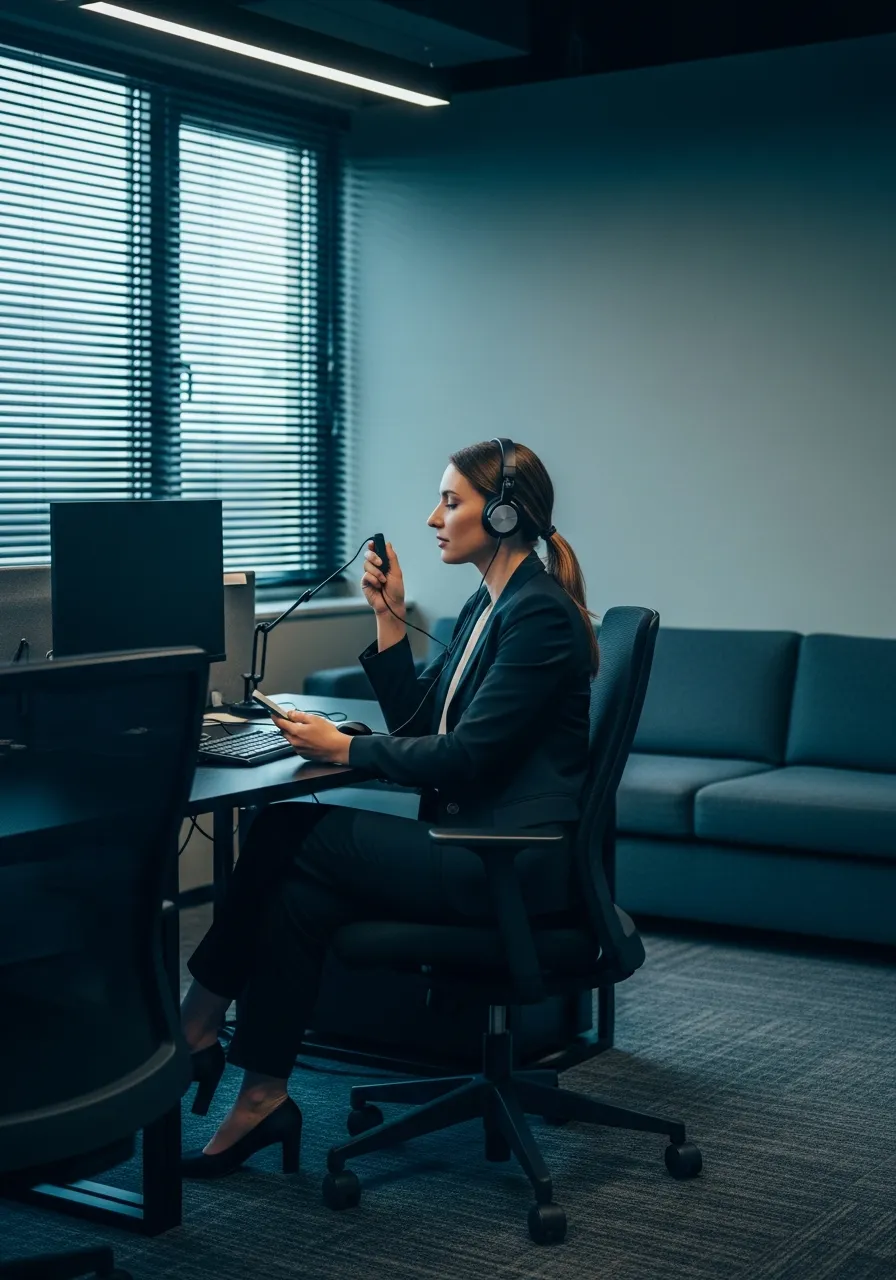
What an "AI receptionist" actually is
Worth being precise, because the term covers a wide range. At the simple end, an AI receptionist is an automated system that answers calls or messages, handles routine enquiries, and books or reschedules appointments. At the more capable end, it's an agent integrated with your booking system, CRM and calendar that can handle multi-step tasks — confirm an appointment, send the reminder, update the record, and route anything it can't handle to a person. The capable version is the one worth comparing to a human, and it's an AI agent applied to a front-desk workflow rather than a novelty chatbot.
The distinction matters because the two ends of that range are bought, judged and priced completely differently. A simple call-answering bot is a convenience; a properly integrated agent is closer to a member of the front-desk team that never sleeps. Most of the comparison that follows assumes the capable end — because that's the version actually worth weighing against, or alongside, a human.
Where AI receptionists genuinely win

Availability.
This is the strongest case and it's not close. An AI receptionist works 24/7 without breaks, holidays, or sick days. For any business that misses calls after hours or during peak load — and loses the booking to a competitor who answered — this alone can justify the system. A missed call is often a lost customer; an AI receptionist that captures even the routine after-hours enquiries is capturing revenue that was previously walking out the door.



Where human receptionists genuinely win (and AI fails)
This is the half the sales pages skip, and it's where the honest comparison earns its keep.
Judgement and nuance.
A human reads tone, picks up that a caller is distressed, frustrated, or confused, and adapts. An AI receptionist handles the expected path well and the unexpected path poorly. For anything emotionally sensitive — a worried patient, an angry customer, a delicate situation — a human is not just better, but sometimes essential.
Genuine problem-solving.
When a request falls outside the defined workflow, a person improvises; an agent either escalates or, if poorly built, does the wrong thing confidently. The percentage of edge cases varies by business, but it's never zero, and those cases are often the ones that matter most.
The human touch as a brand signal.
For some businesses — premium services, relationship-driven practices, anywhere the first human contact is the brand — a person answering the phone is part of the value. Automating that can quietly cost you the warmth that differentiated you. This is a genuine strategic tradeoff, not a technical one.
Trust in high-stakes contexts.
When the stakes are high — health, money, legal — callers often want to know a human heard them. An AI receptionist can erode confidence in exactly the moments confidence matters most.
The honest summary: AI receptionists are strong on the predictable, high-volume, transactional layer and weak on the unpredictable, sensitive, judgement-heavy layer. Humans are the inverse.
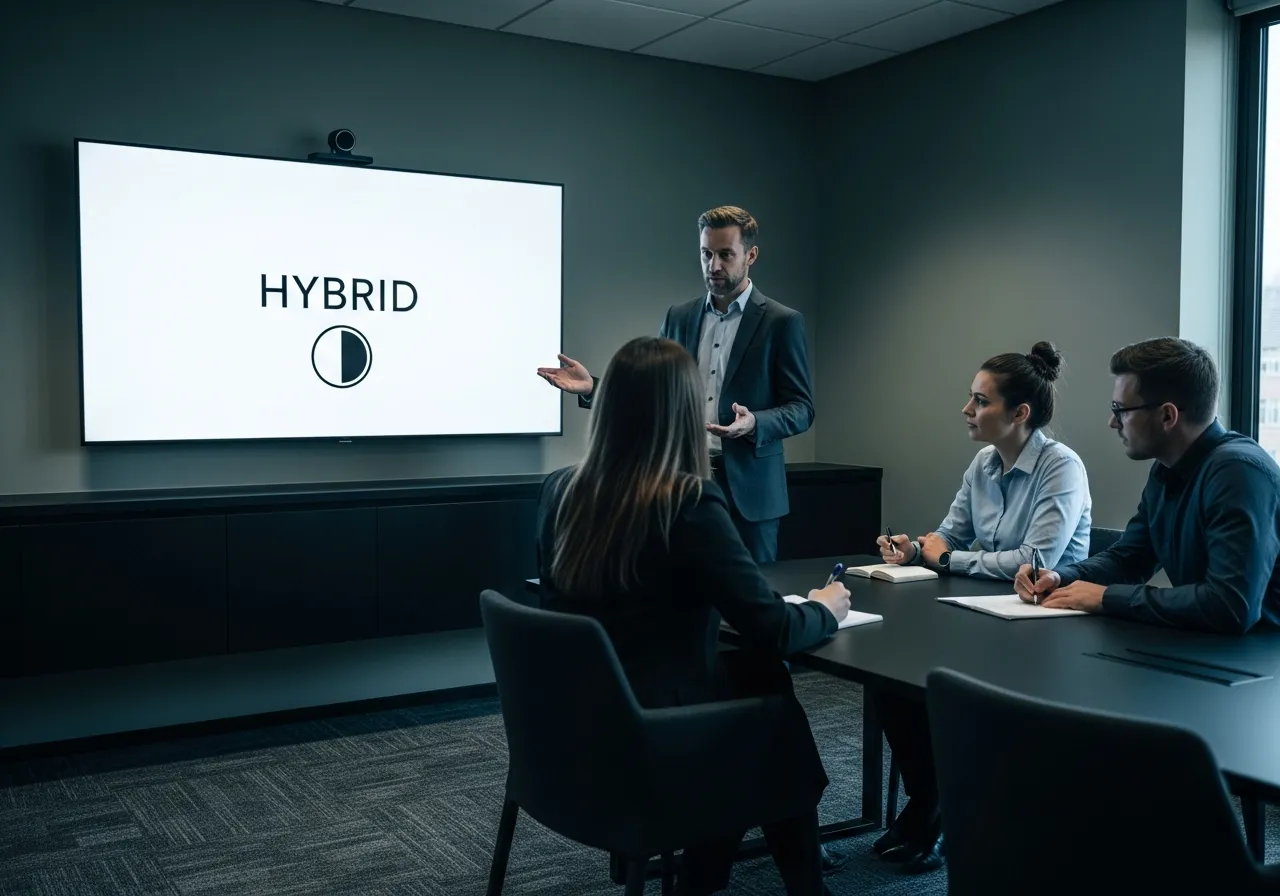


The model most businesses actually need: hybrid
Given that split, the answer for most businesses isn't either/or — it's a deliberate division of labour. The AI handles the high-volume, routine, after-hours load: the bookings, the FAQs, the confirmations and reminders, the overflow when the desk is busy. The human handles the sensitive, the complex, and the cases the AI escalates — and is freed from the repetitive work to do that well.
Done properly, this is the best of both: you stop missing calls, your receptionist stops drowning in routine enquiries, and the human attention goes where it actually matters. Done poorly — with no clean escalation path from AI to human — it's the worst of both, where callers get stuck with an agent that can't help and can't hand off. The entire difference is in whether the escalation path is designed in, which is a build-quality question, not an AI-capability one. (It's also one of the most common AI agent failure modes when it's missing.)
Cogniva's perspective:
the right question is never "AI or human receptionist." It's "which parts of our front-desk work are routine enough to automate safely, and where do we protect the human?" The answer differs by business, and getting the line in the right place matters more than the technology. Put it too far toward automation and you damage the experience; too far toward human-only and you keep paying for and losing after-hours bookings.


Where this fits particularly well: appointment-driven businesses
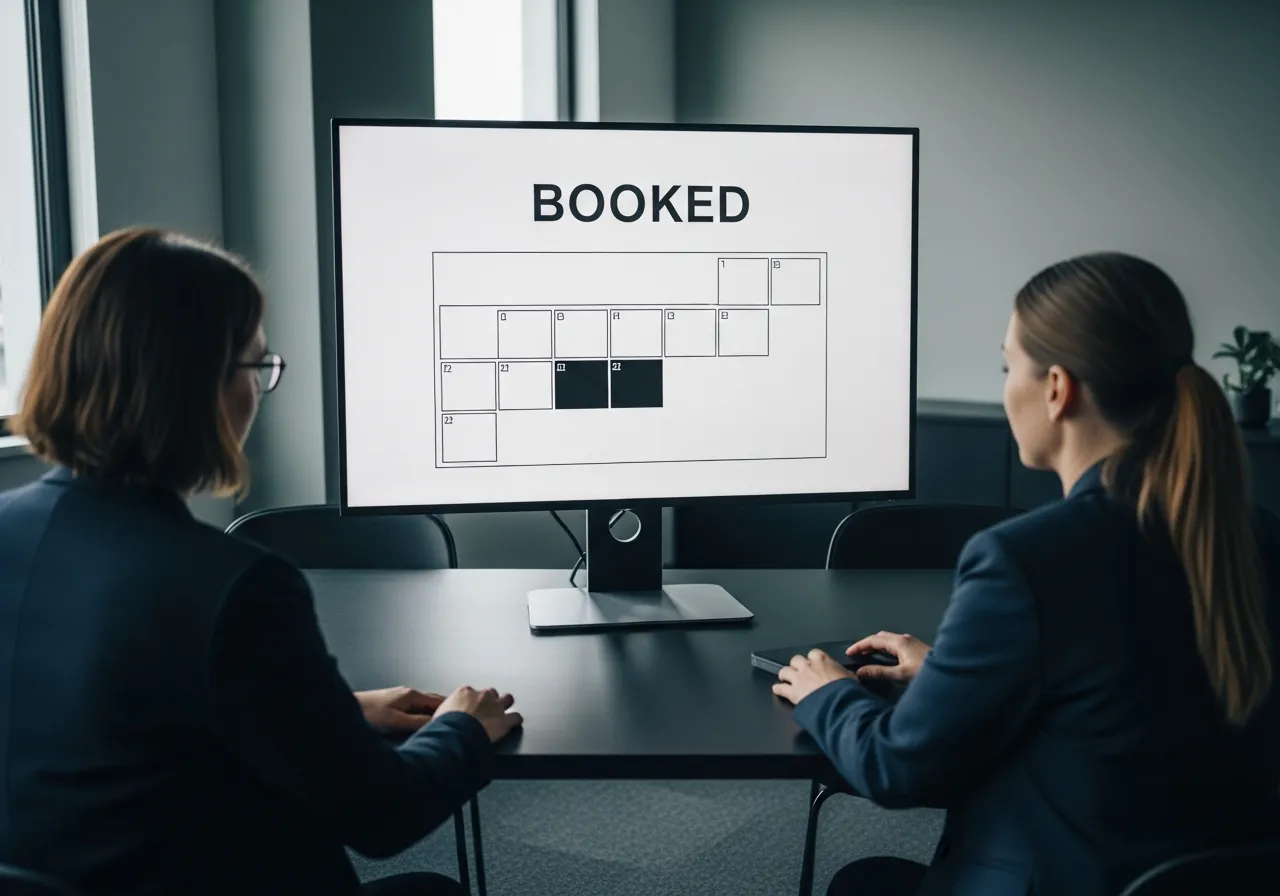
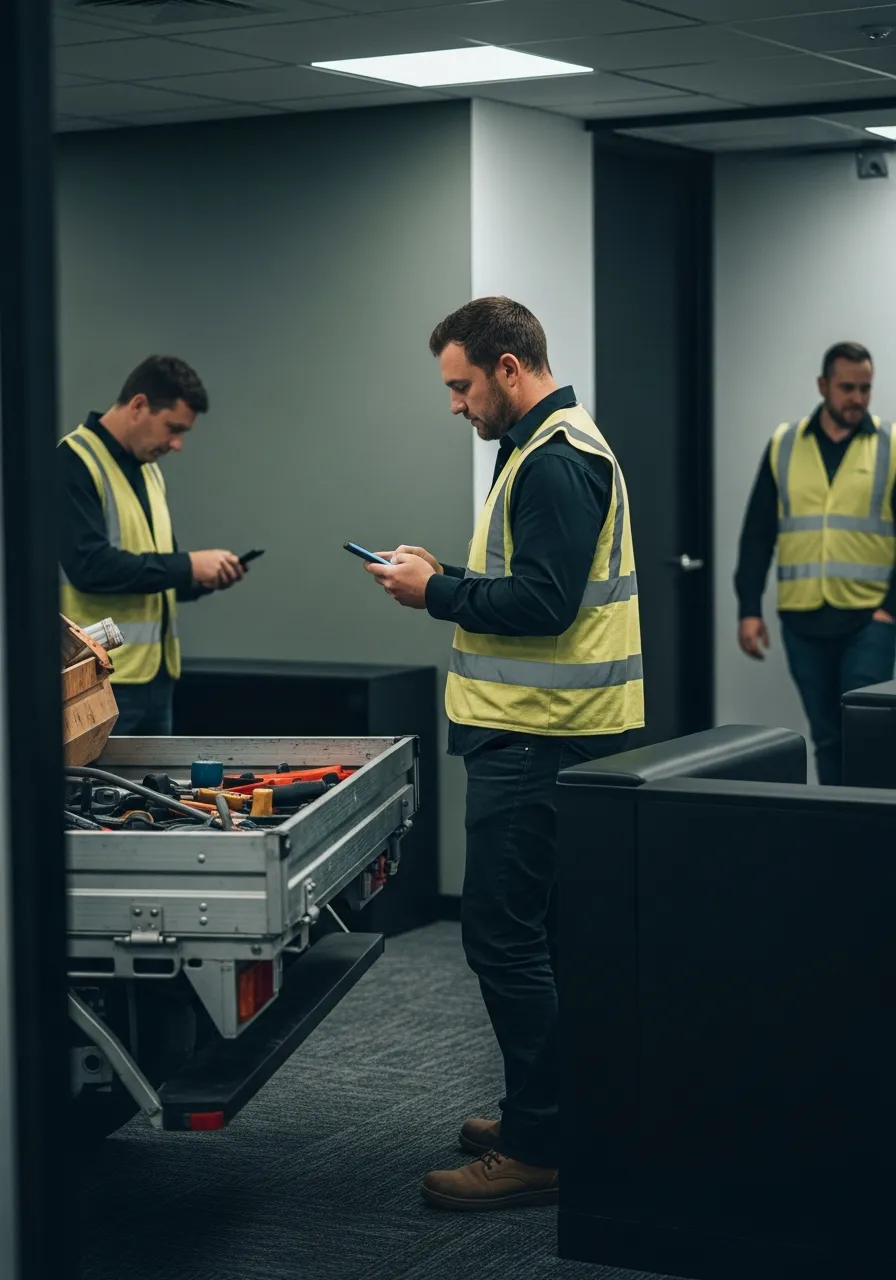
The hybrid model is an especially strong fit for businesses built around appointments — clinics, practices, salons, trades with booked jobs — where a large share of front-desk work is genuinely routine (booking, rescheduling, reminders, recalls) and a smaller share is sensitive and needs a person. Dental practices are a textbook case, which we cover specifically in AI agents for dental practices. If your front desk spends most of its time on scheduling logistics and the rest on patient care and judgement, the division of labour almost draws itself.
What makes these businesses such a clean fit is the predictability of the work: the routine tasks are high-volume and rule-based enough to automate reliably, while the exceptions that genuinely need a person are a smaller, identifiable slice. That's the ideal shape for a hybrid model — the AI absorbs the repetitive load so your team's attention goes to the moments where human judgement and warmth actually change the outcome.
Good to know
Frequently asked questions
Straight answers before you book anything — and if yours isn’t here, ask us in the consultation.

Free consultation
Missing calls after hours — or paying for quiet time on the phones?
We’ll look at your call volume and tell you honestly whether an AI receptionist stacks up — and where humans still win.
Book a consultation