Technical SEO Checklist
A complete technical SEO checklist covering crawlability, indexation, speed, structured data and core web vitals.
Cogniva is a Melbourne-based AI systems and search visibility consultancy. We prioritise technical SEO by impact rather than treating every item as equally urgent, and we're honest about the discipline's ceiling — once a site is sound, we'll tell you your budget belongs in content and authority, not more technical hours. The same foundation we build serves both Google rankings and AI search visibility.
A technical SEO checklist is only useful if it tells you what to do first. Most don't — they list fifty items as if they're equally important, so businesses burn budget polishing trivia while a genuine crawl error quietly suppresses the whole site. This checklist is ordered by real-world impact, and it ends with the part no one admits: technical SEO has a ceiling, and knowing where it is saves you money.
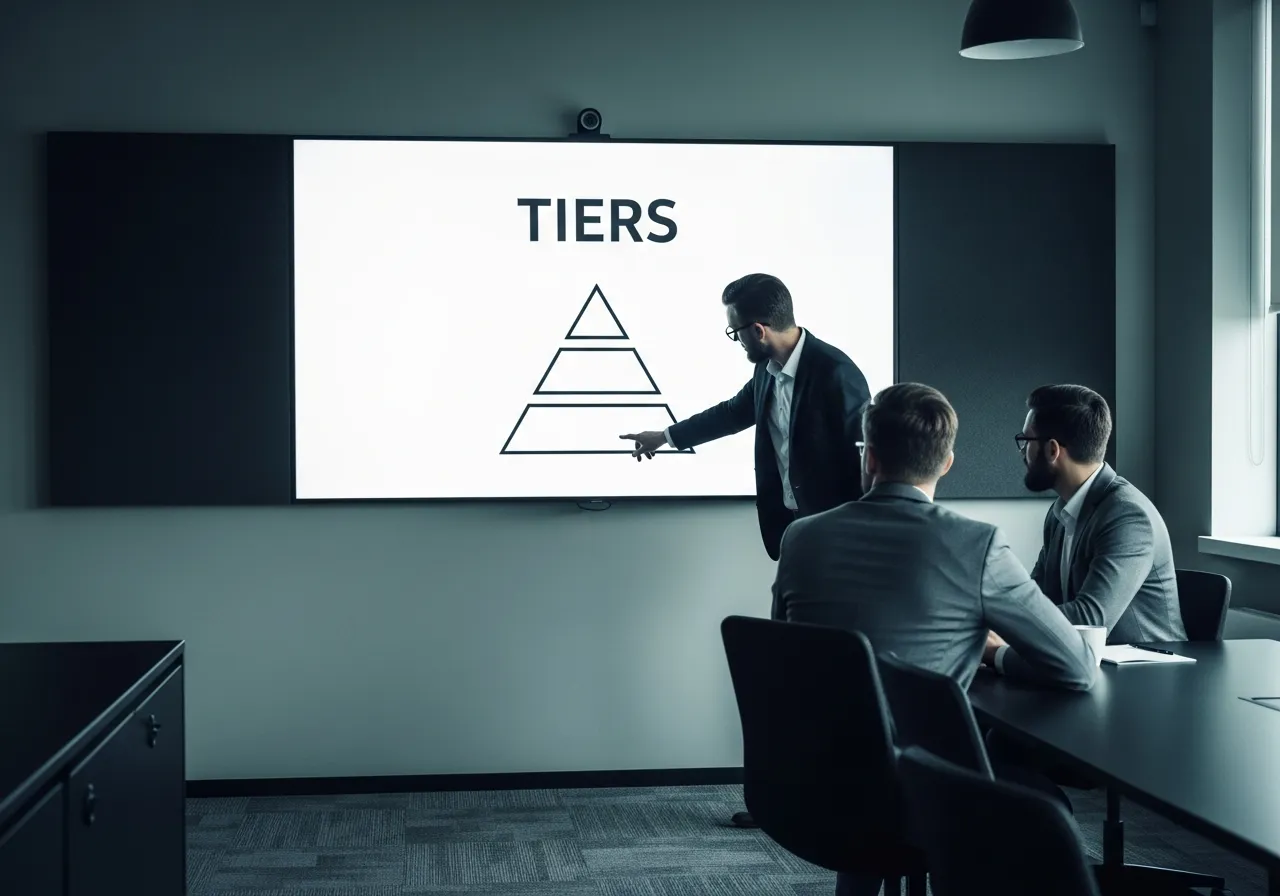
Tier 1 — Critical (fix these first, they gate everything)
If any of these is broken, nothing else you do in SEO works. Start here, always.

☐ Crawlability and indexation.
Can Google actually find and index your important pages? Check that robots.txt isn't blocking key pages, that your pages return clean status codes, and that important pages are actually in Google's index (check Search Console). A page Google can't crawl or index is invisible no matter how good it is. This is the single most important technical check.




Tier 2 — High impact (do these once Tier 1 is clean)
☐ Core Web Vitals and page speed.
How fast and stable your pages load is a genuine ranking factor and a major influence on whether visitors stay. Slow pages lose both rankings and conversions. Worth real attention, but only after crawlability is sorted.
☐ Site structure and internal linking.
A logical structure where important pages are easy to reach, with internal links connecting related content, helps both Google and users understand and navigate your site. Poor structure buries good content.
☐ Duplicate content and canonicalisation.
Multiple URLs serving the same content split your ranking signals and confuse search engines. Proper canonical tags tell Google which version is authoritative.
☐ XML sitemap and structured data.
A clean sitemap helps Google discover your pages; structured data (schema) helps it understand and feature them, including in AI Overviews. Both are worthwhile, neither is a magic switch.




Tier 3 — Worthwhile but lower priority
☐ Image optimisation
(compression, alt text, modern formats) — helps speed and accessibility, modest ranking effect. ☐ Breadcrumbs — improve navigation and can appear in results. ☐ Hreflang — only relevant if you serve multiple languages or regions. ☐ Minor crawl-budget tuning — matters for very large sites, largely irrelevant for typical SMB sites.
☐ Pagination handling
— logical, crawlable pagination for large catalogues; minor for small sites. ☐ Open Graph & social cards — no direct ranking effect, but better click-through when pages are shared. ☐ Custom 404 page — keeps visitors on-site when a link breaks; no ranking impact, but a small UX win. ☐ Favicon & site icons — a minor brand and trust signal in results, quick to set once and forget.
Treat Tier 3 as polish. It's worth doing once the higher tiers are genuinely solid — but never ahead of them, and never as a substitute for the fundamentals that actually move rankings.




The honest part: technical SEO has a ceiling
Here's what most checklists won't tell you, because it's inconvenient for anyone selling endless "technical optimisation": once your site is technically sound, more technical work yields almost nothing. Technical SEO is largely a fix-it-once-then-maintain discipline. The gains come from getting a broken or messy site clean; past that point, the returns flatten hard.
We've seen Melbourne businesses pay for "technical optimisation" month after month on a site that was already sound — a real cost with no real return. Once Tier 1 and Tier 2 are genuinely clean, your SEO budget is far better spent on content and authority, where the ongoing gains actually live. If an agency is billing significant ongoing hours for technical work on an already-healthy site, ask exactly what's being fixed and why.




How this connects to AI search
A useful bonus: the technical foundation that helps Google also helps AI engines cite you. Crawlability, structured data, clean site health, and fast loading are exactly what let AI systems find and use your content. So this checklist does double duty — it's the technical floor for both traditional rankings and AI search visibility, the latter covered in our GEO Melbourne guide.
Concretely, the items that matter most for AI visibility are the ones that make your content machine-readable and trustworthy: valid structured data so engines understand what a page is, clean crawlable HTML so they can actually read it, fast loads so they don't time out, and accurate, well-maintained content they can quote with confidence.
So there's no need to treat AI search as a separate technical project. Work through this checklist properly and you've already built the foundation an AI engine needs to find, parse, and cite you — the content and authority work on top is where the AI-specific effort then goes.
Good to know
Frequently asked questions
Straight answers before you book anything — and if yours isn’t here, ask us in the consultation.


Free consultation
Checklist done — want a second pair of eyes on what’s still broken?
We’ll run a technical crawl of your site and flag the issues that actually move rankings, ranked by impact.
Book a consultation