Mobile App Development Melbourne
Mobile app development in Melbourne — native and cross-platform apps with thoughtful interaction design and AI-ready architecture.
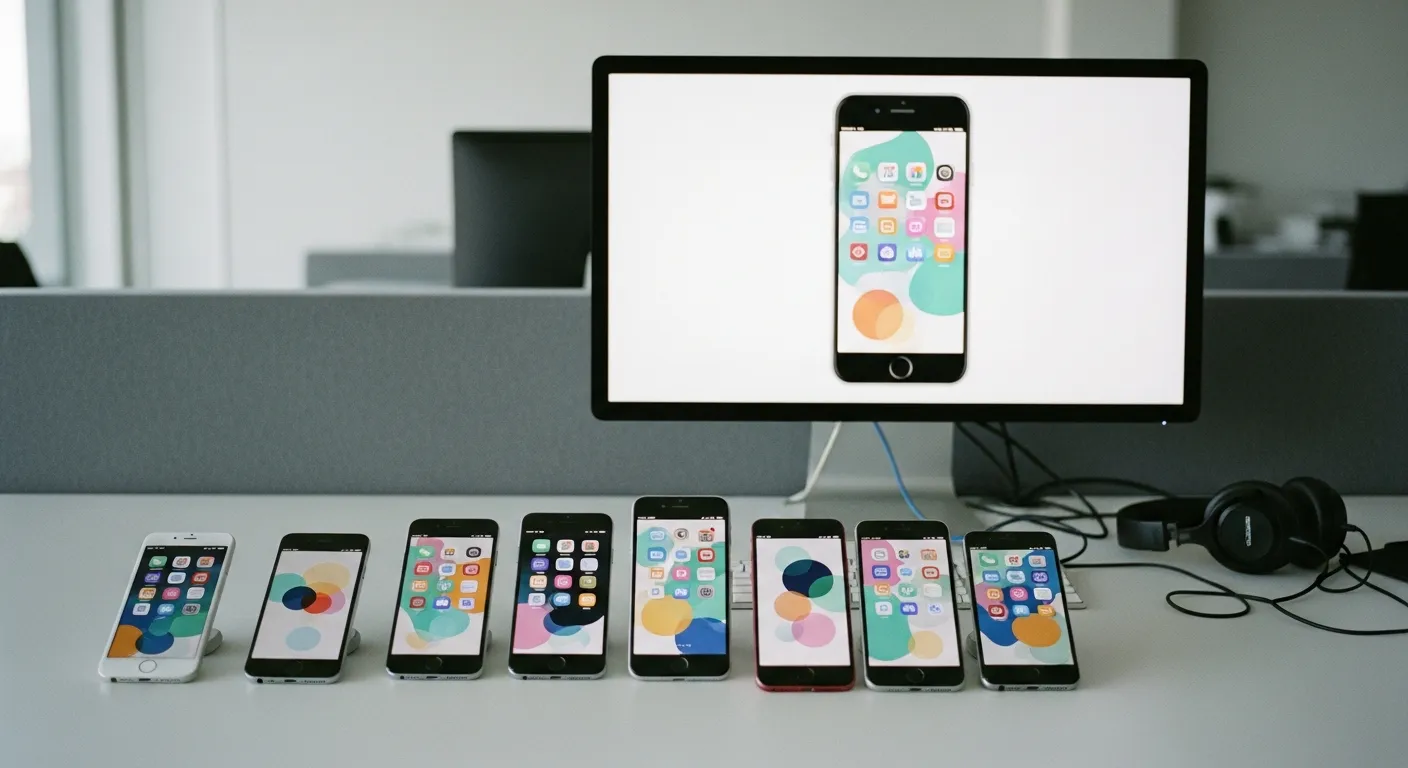
The bar for a good app has moved.
Users now expect software that anticipates, assists and automates — not just responds to taps. We build native and cross-platform apps for Melbourne businesses with AI capability designed in from the architecture up, not bolted on later.
Mobile app development in Melbourne splits into two camps: agencies that ship templates fast, and product studios that craft software meant to last. We're firmly the second — with one addition. Because we build AI systems for a living, the apps we ship are architected from day one for the features users increasingly expect: intelligent search, conversational interfaces, personalisation and automation.
What "AI-ready" means in practice

Architecture that accommodates intelligence.
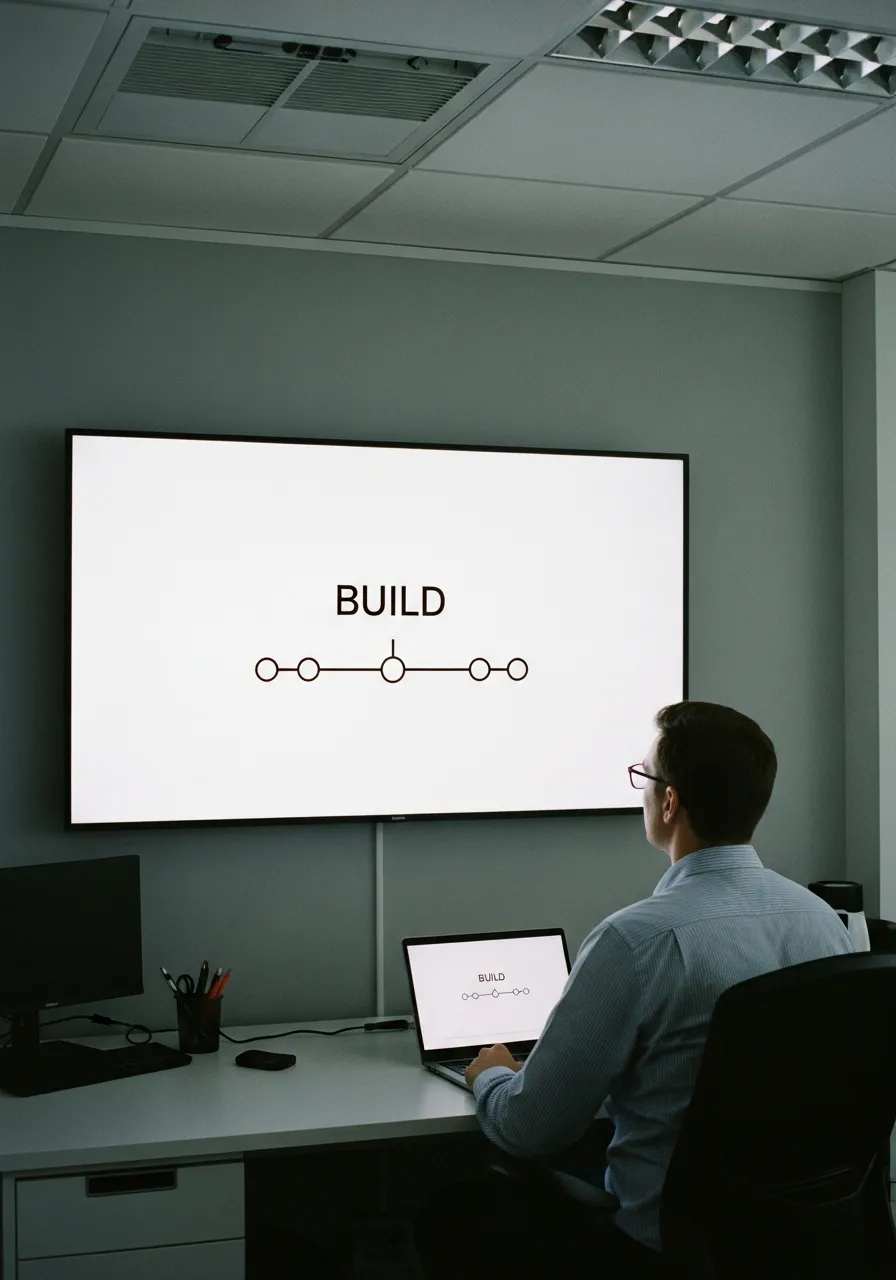
Adding AI features to an app that wasn't designed for them is expensive surgery. We design data flows, APIs and permissions so capabilities like smart assistants or personalised content can be added without rebuilding.



What we build
Native iOS and Android apps
when platform performance and integration depth justify it.Cross-platform apps
a single codebase where speed to market and budget matter more, without the compromised feel.Companion apps for existing products
extending web platforms, booking systems and internal tools onto mobile.AI-powered features
conversational interfaces, intelligent search, and automation connected to the agent systems we build.
The honest first conversation is whether you need an app at all. Some products belong on the web; some workflows are better served by a well-built portal than a store listing. Roughly a third of the app enquiries we take end with us recommending something cheaper — and the clients who get that advice tend to come back when they genuinely do need an app.
When an app is right, the platform choice follows the product, not fashion. Cross-platform frameworks now deliver near-native feel for most business applications at meaningfully lower cost; native still earns its premium for deep hardware integration, demanding performance, or platform-specific experiences. We've shipped both and will show you the trade-off in your terms: budget, timeline, and what your users will actually notice.


What an app costs in Melbourne
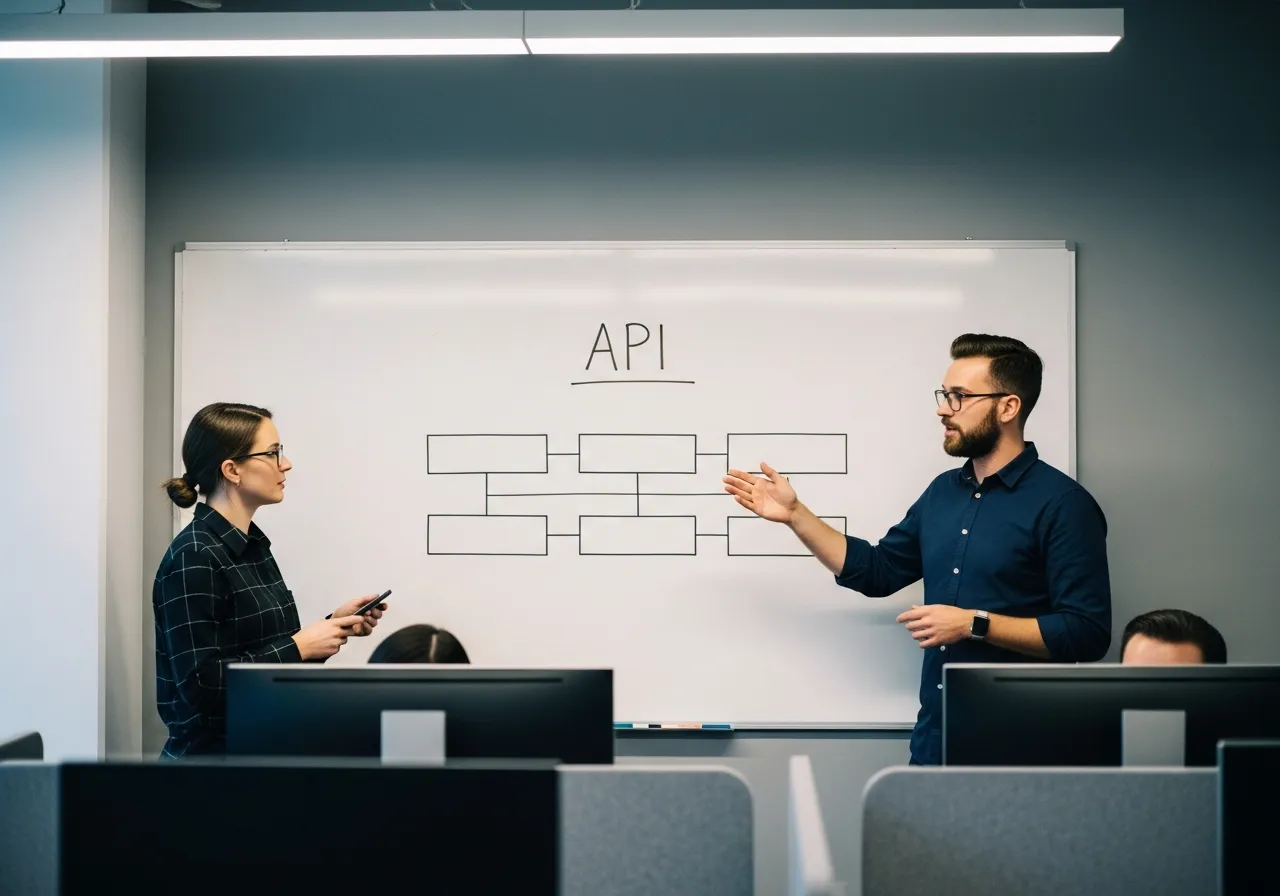
Realistic ranges in Australian dollars: a focused cross-platform business app — one core workflow, clean design, standard integrations — typically runs $40,000–$80,000 to first release. Products with complex backends, multiple user roles or AI features generally land $80,000–$200,000. Native builds for both platforms sit at the upper end of any bracket. Anyone quoting a "$10,000 app" is selling a template with your logo — which is occasionally the right purchase, but never the product these figures describe.
Budget the ongoing costs from day one, because the app store is a treadmill: OS updates, security patches, device changes and store policy shifts demand 15–20% of the build cost annually just to stand still. The saddest pattern in this industry is the well-built app abandoned eighteen months after launch because nobody budgeted for its life.
The best money-saver is ruthless first-release scope. Version one should do one thing so well that people keep it on their home screen; the roadmap earns its next feature from real usage data, not the kickoff wishlist. Half the cost overruns we're asked to rescue trace back to a v1 that tried to ship the wishlist.



How we work
Product discovery.
What the app must do, for whom, and how success is measured — before a screen is designed.Design and prototype.
Interactive prototypes tested with real users, so expensive decisions happen cheaply.Build in increments.
Working software every few weeks, not a reveal at the end.Launch and evolve.
App store release, analytics, and a roadmap informed by real usage.
Discovery is where apps are saved or doomed, so we spend real time there: who the users are, the single job the app must do brilliantly, what success measurably looks like, and what the smallest shippable version is. Expensive disagreements are cheap in week two and ruinous in month five.
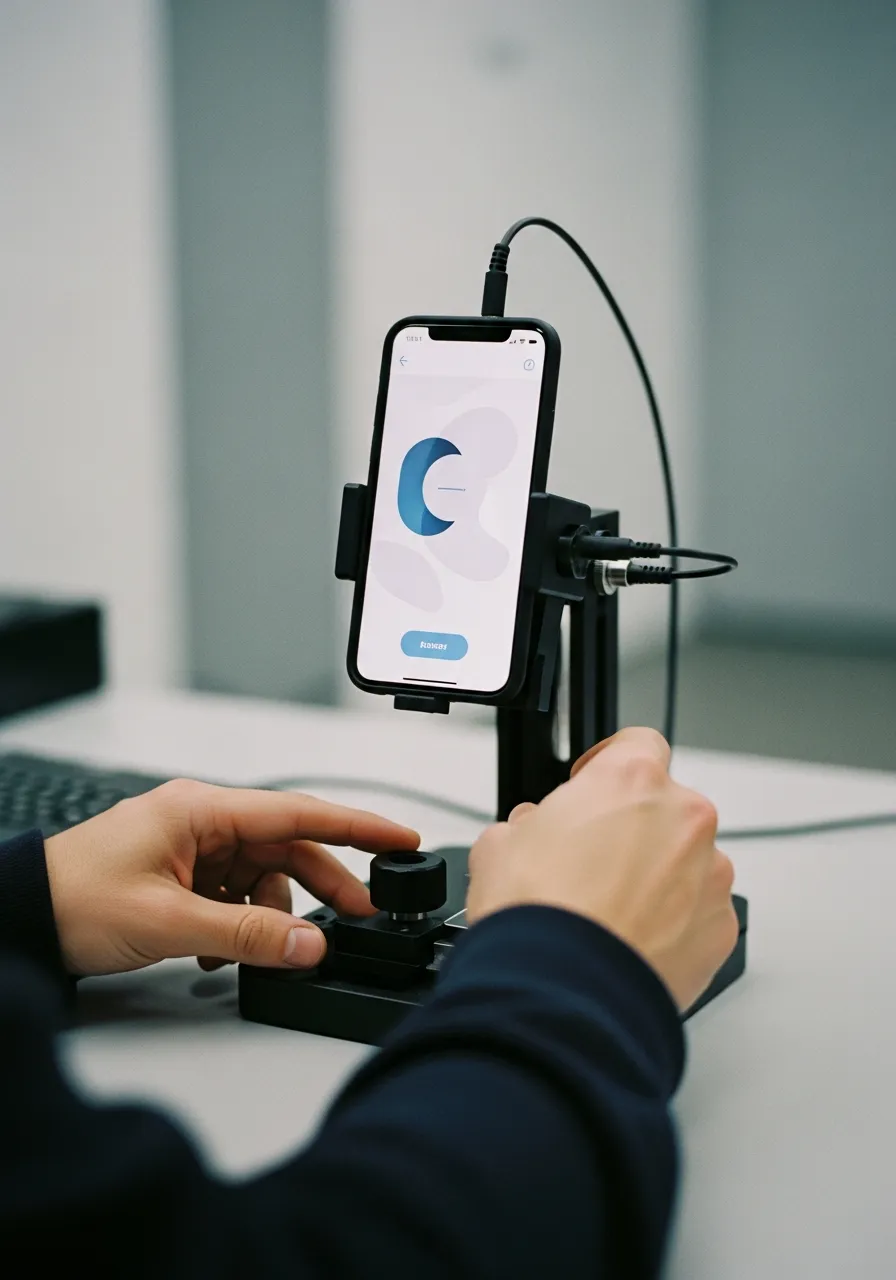
From there you see working software every few weeks — installed on your own phone, not projected in a boardroom. Real builds surface real feedback: the flow that made sense in a design file but fumbles in a queue at a coffee shop, the feature nobody touches. Course corrections happen while they're still small.
Launch is a beginning. App store release, crash monitoring and analytics land with a roadmap process that reviews actual usage monthly — so the second version is built from evidence, and the app still feels current three years on.
Good to know
Frequently asked questions
Straight answers before you book anything — and if yours isn’t here, ask us in the consultation.

Free consultation
Not sure what to prioritise — or whether your current plan is working?
Cogniva runs a no-obligation review of where you stand, what to prioritise first, and what’s realistic for your budget — even if the honest answer is that you don’t need us yet.
Book a consultation