Workflow Automation Melbourne
Workflow automation in Melbourne — intelligent pipelines for triage, documents, reporting and reconciliation, with humans in the loop.

If you're looking at workflow automation in Melbourne, chances are you've already tried some version of it — a Zapier chain, a macro, an inbox rule — and discovered the gap between a demo and a dependable system. Cogniva is a Melbourne AI systems and search visibility consultancy, and we build automation that survives contact with real operations: intelligent pipelines with monitoring, exception handling, and a named owner, connected properly to the systems you already run.
The distinction that matters isn't AI versus no AI. It's engineered versus improvised. An improvised automation works until the input changes shape; an engineered one detects the change, routes the exception to a human, and keeps a log of what it did. That difference is the whole service.
What we automate
The workflows that consistently justify automation across the Australian SME market are unglamorous and high-volume:

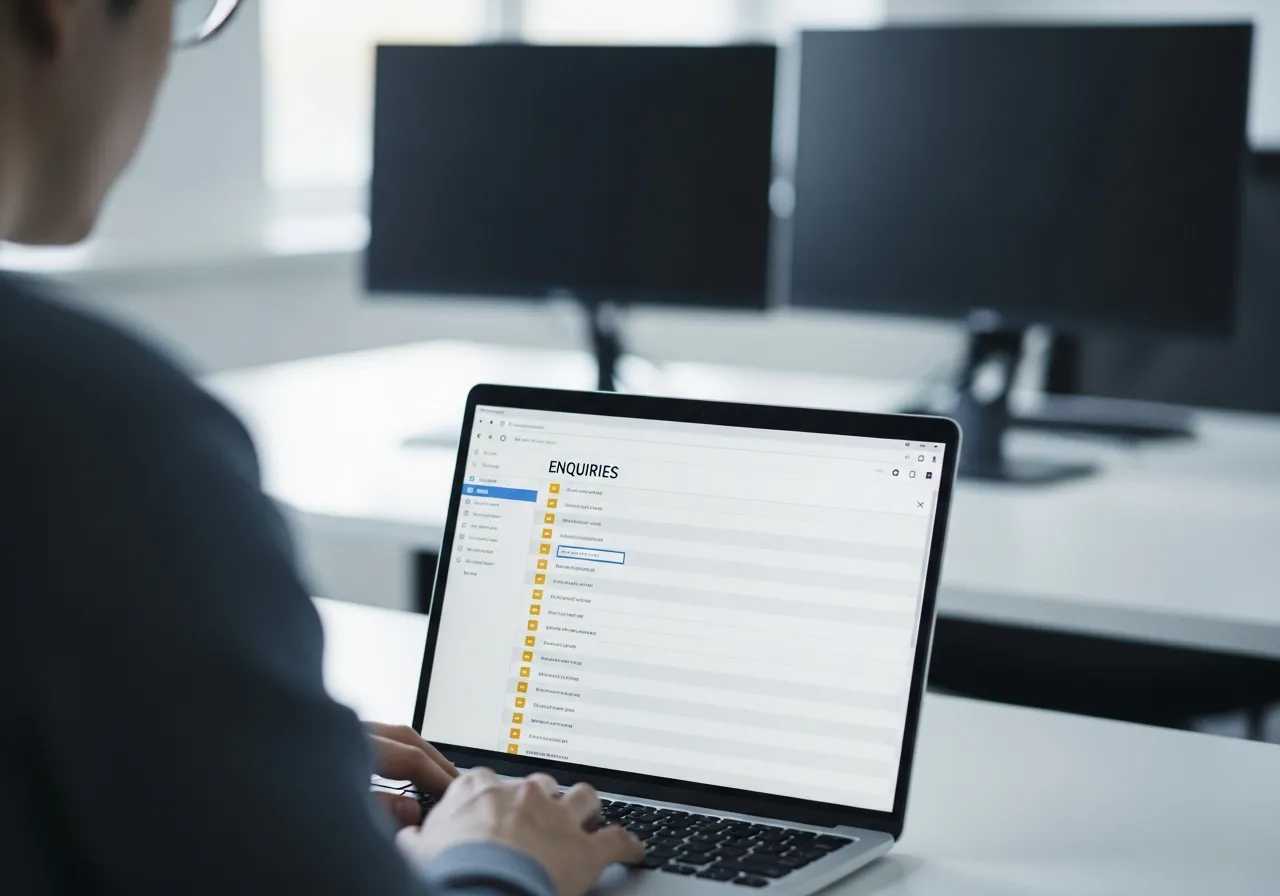
Enquiry triage and routing.
Inbound email, forms and messages classified, prioritised, and routed to the right person — with drafts prepared where the response is predictable. This is usually the fastest payback in the building, because the volume is constant and the cost of slow response is measurable in lost enquiries.




Rules or intelligence — an honest answer
Not every workflow needs a model. If your process is genuinely deterministic — same input shape, same decision, every time — a rule-based automation is cheaper to build, cheaper to run, and easier to audit, and we'll recommend it without hesitation. The AI-driven step earns its place when the inputs vary (free-text enquiries, inconsistent documents, judgement calls with clear guardrails), because that's where rules shatter and intelligence bends.
This mirrors the honesty that anchors our AI agent services: the first conversation is about whether the clever tool is the right tool, not which tier of it you should buy. A meaningful share of the automation quotes we review would be halved by replacing an over-engineered AI step with a well-placed rule — and the reverse mistake, forcing rules onto variable input, is how brittle chains get built.


The integration reality
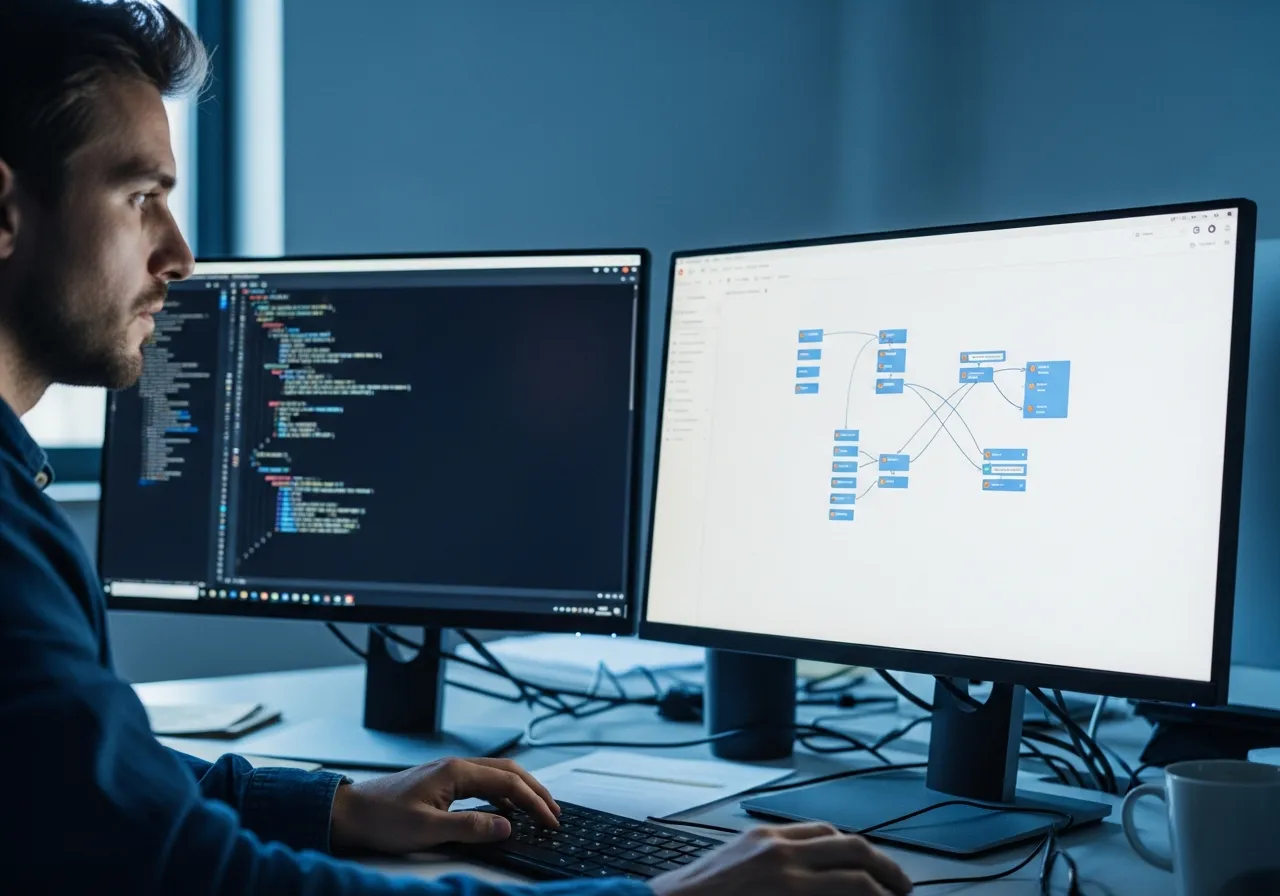
Here's the pattern the glossy pages skip, framed as industry-level observation rather than any single firm's claim: the pipeline logic is rarely the expensive part. Connecting reliably to your CRM, helpdesk, accounting or practice management system is — integration is commonly observed to add somewhere in the range of 20–40% to initial budgets, with legacy systems costing far more than modern API-first tools. A large share of automation projects stall precisely at the data-access stage: not at the intelligence, but at the plumbing.
So we scope the plumbing first. Before quoting a build, we establish what systems the pipeline must touch, what access they actually allow, and how clean the data is — because those answers, not the AI, determine the budget. It's less exciting than a demo. It's also why our quotes hold.




Humans in the loop, by design
Every pipeline we ship has three things attached: monitoring, exception handling, and an owner. Exceptions route to a person with context, not to a dead-letter folder. The owner sees a regular picture of what the pipeline handled, what it escalated, and how its accuracy is trending. Industry-wide, the automations that quietly fail are the unowned ones — they drift for months because nobody was accountable for noticing. We build the noticing in.




The proving ground before agents
Workflow automation is often the right first step in a larger AI roadmap: automate one well-defined workflow, measure the return, build organisational confidence — then graduate to autonomous agents where multi-step judgement is genuinely required. If you're still deciding where automation fits in the bigger picture, our AI Strategy & Roadmaps engagement maps your candidate workflows and sequences them by payback. And if you've validated the workflow and need deeper, custom-engineered autonomy, that's AI agent development territory.




What it costs and how it runs
Scoped to the problem, not a package. A single enquiry-triage pipeline and a multi-system document operation are different engagements, and quoting them identically would be a warning sign, not a convenience. Every engagement starts with a scoping session: which workflow, which systems, what volume, what a good outcome measurably looks like — and whether automation is even the right answer at your current scale. When it isn't, we say so.
Book an Automation Feasibility & Scoping Session and get a straight answer on what's worth automating first — and what isn't. Get in touch.
Good to know
Frequently asked questions
Straight answers before you book anything — and if yours isn’t here, ask us in the consultation.

Free consultation
Not sure what to prioritise — or whether your current plan is working?
Cogniva runs a no-obligation review of where you stand, what to prioritise first, and what’s realistic for your budget — even if the honest answer is that you don’t need us yet.
Book a consultation